



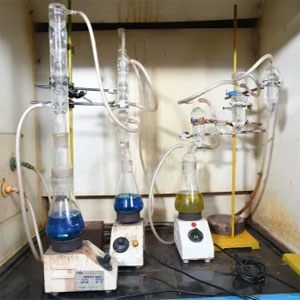
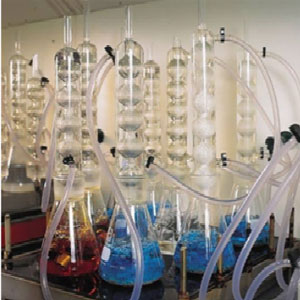
Practice A,B,C,D & E
ASTM A262 is a common intergranular corrosion testing method that can quickly screen batches of material to determine corrosion susceptibility. The ASTM A262 testing specification contains five unique intergranular corrosion tests. Choosing the correct method(s) rely on a complete understanding of your material and processes, as well as the concept of corrosion itself. Inter-granular Corrosion (IGC) Test as per ASTM A 262 :
♦ Practice A : Oxalic Acid Etch Test
♦ Practice B : Ferric Sulphate - Sulphuric Acid Test
♦ Practice C : Nitric Acid Test
♦ Practice E : Copper - Copper Sulphate - Sulphuric Acid
♦ Practice F : Copper - Copper Sulphate – 50 % Sulphuric Acid
Oxalic Acid Test (ASTM A262 Practice A)
This
simple etching technique is used as a quick screening method to ensure that a material is free of
intergranular corrosion susceptibility. The Oxalic Acid test is only used to ensure that no
corrosion exists; samples are labelled either "Acceptable" or "Suspect". A different ASTM A262 test
method must be used to quantify the level of corrosion or to disqualify a material for use. The Acid
test is also only applicable to corrosion associated with chromium carbide precipitates and is only
useful for specific material grades.
Copper Sulfate Test (ASTM A262 Practice E)
This method is a 15 hour boiling test for "as received" specimens of stainless steel. The Copper Sulfate Test is especially effective for determining susceptibility to intergranular attack for low carbon steels.